

The purchase price is only one number in a Tustin home-buying plan. From appraisal gaps and inspections to HOA dues and move-in upgrades, understanding the costs that arrive before and after closing can help buyers compare homes with greater confidence. A realistic reserve turns a promising offer into a more durable plan.
Look Beyond the Down Payment
Buying a starter home in Tustin can feel like a simple equation: find a price range, estimate a down payment, and calculate a monthly mortgage. In practice, the most useful budget includes several expenses that do not appear in a listing’s headline price. Some are one-time costs due during escrow, while others are ongoing ownership costs that can affect what feels comfortable month after month.
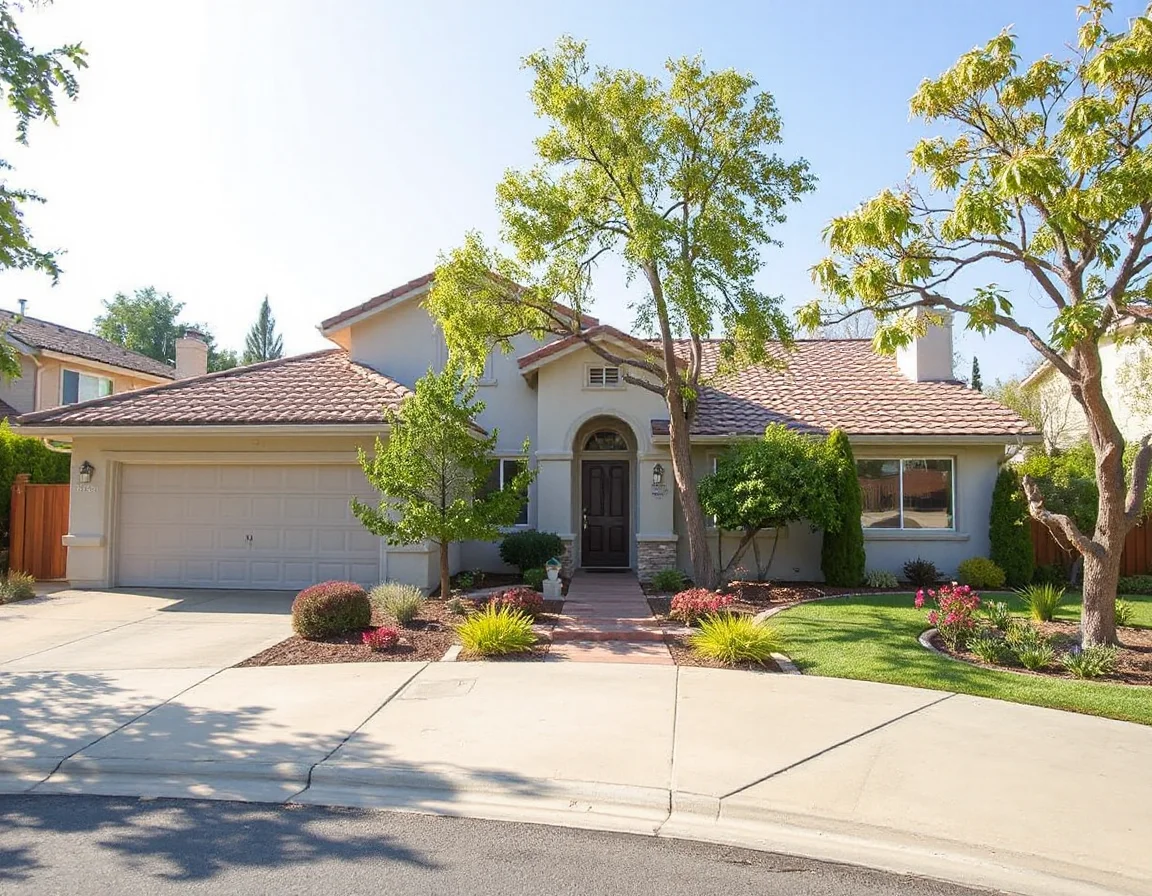
That does not mean every purchase brings every possible expense. The details depend on the property type, loan program, neighborhood association, condition of the home, and the terms negotiated in the contract. Still, planning for the categories below gives buyers a clearer way to compare a condo, townhome, or detached residence before becoming emotionally attached to a particular option.
A strong budget also helps preserve choices during negotiations. When inspection findings, lender conditions, or timing changes arise, buyers with a defined reserve can assess the facts rather than making rushed decisions. Here are seven frequently overlooked costs to put on the worksheet early.
1. Closing Costs and Prepaid Items
Closing costs generally include lender charges, title and escrow services, recording fees, and other transaction expenses. Prepaid items can include a portion of property taxes, homeowners insurance, and daily mortgage interest collected at closing. The exact amount varies by loan, purchase price, closing date, and negotiated terms, so an estimate from a lender is more useful than relying on a single percentage found online.
Ask for an early loan estimate and review which items are lender fees, third-party charges, prepaids, or funds held in an escrow account. This distinction matters because some items are transaction costs, while others are simply paid earlier than they would be otherwise. A later closing date, for example, can change the amount of prepaid interest.
A purchase budget should separate cash needed to close from the down payment. Combining them can make a home appear more affordable on paper than it is at the signing table.
2. Inspections, Specialty Reviews, and Repairs
A general home inspection is an important opportunity to understand visible conditions and systems, but it may not answer every question. Depending on the property and the inspector’s findings, buyers may choose additional reviews for roofing, sewer lines, HVAC equipment, chimneys, foundations, pools, pests, or other components. These services are often paid during the contingency period rather than at closing.
Inspection results can also create a repair budget question. A seller may agree to repairs, a credit, or no change at all; the outcome depends on the contract and negotiation. Even when a home is well maintained, it is sensible to reserve funds for immediate priorities such as changing locks, servicing equipment, correcting small safety items, or addressing maintenance that becomes apparent after move-in.
For attached homes, review association documents closely. They may provide valuable context about common-area maintenance, insurance responsibilities, reserve funding, upcoming projects, and past assessments. The monthly HOA amount is only one part of the ownership picture.
3. Appraisal Gaps and Loan Adjustments
An appraisal is ordered by the lender to support the loan decision; it is not a guarantee that every buyer will value a home the same way. If the appraised value comes in below the contract price, the loan amount may be recalculated. Buyers and sellers can then explore options permitted by the contract, including renegotiating the price, changing the financing structure, contributing more cash, or moving forward only if the contingency terms allow.
It is helpful to understand this possibility before writing an offer, especially when comparing recent sales, property condition, and competitive activity. A loan officer can explain how a lower appraisal might affect the particular loan program being used. Knowing the numbers in advance makes it easier to set a maximum cash contribution that does not disrupt other financial goals.
4. HOA Dues, Transfer Fees, and Special Assessments
Many Tustin condos, townhomes, and planned developments include a homeowners association. Monthly dues may cover items such as common-area landscaping, exterior maintenance, amenities, master insurance, utilities, or reserve contributions, but each association is different. Buyers should confirm both the current dues and what the dues actually include instead of assuming that similar-looking communities have similar coverage.

There may also be move-in deposits, transfer fees, document fees, or other association-related charges. In addition, an association can levy a special assessment for qualifying expenses under its governing rules. Reviewing the resale package, financial statements, meeting minutes when available, and reserve information helps buyers ask informed questions before removing contingencies.
For an HOA property, compare the monthly dues with the maintenance and insurance responsibilities that remain with the owner. The lowest dues are not automatically the lowest total cost of ownership.
Detached homes can have association costs too, and homes without an HOA can shift more maintenance directly to the owner. Neither structure is universally better; the key is to understand where the expense sits and how predictable it is likely to be.
5. Property Taxes and Insurance Changes
Property tax information in a listing often reflects the prior owner’s assessed value, which may not match a buyer’s future tax bill after a sale. Buyers should consult qualified tax and lending professionals for an estimate based on their purchase scenario. It is also wise to ask how taxes will be collected: directly by the owner or through a lender-managed escrow account included in the monthly payment.
Homeowners insurance deserves the same attention. Premiums can vary based on the home’s age, roof condition, construction, coverage choices, deductible, location-specific underwriting, and whether the property is a detached home or part of an association. For a condominium, buyers should clarify the difference between the HOA’s master policy and the individual policy needed for the interior, personal property, liability, and any coverage required by the lender.
Get insurance quotes early in escrow rather than treating them as a last-week task. A quote may affect the monthly payment, and early review gives buyers time to compare coverage details thoughtfully.
6. Utility Setup and the First Month of Ownership
New ownership brings a cluster of small costs that can add up quickly: utility deposits or connection charges, internet installation, trash service where applicable, mailbox keys, window coverings, basic tools, appliance accessories, and cleaning supplies. A home may be ready for occupancy while still needing practical items that make the space function day to day.
Buyers should also anticipate the first utility bills, which may arrive before spending patterns are familiar. Ask about major systems during the inspection period, including heating and cooling equipment, water heating, irrigation, and pool equipment if present. The goal is not to predict every bill precisely, but to avoid treating the mortgage payment as the entire monthly housing expense.
7. Furnishings, Improvements, and a Maintenance Reserve
Even a move-in-ready home may inspire a list of changes: paint, lighting, storage solutions, landscaping, flooring updates, appliance replacements, or an outdoor seating area. These projects can be enjoyable, but they are easier to manage when ranked by urgency. Separate immediate needs from improvements that can wait until after several months of living in the home.
A maintenance reserve is equally valuable. Homeownership involves routine care, from filters and caulking to landscaping and annual service appointments. Setting aside a monthly amount can make those ordinary responsibilities less disruptive. The right reserve depends on the property’s age, condition, systems, and the buyer’s comfort level, but having one is more important than selecting a perfect universal number.
For buyers relocating into or within California, the logistics of a move can add another layer: moving services, temporary storage, travel, lease timing, and the overlap between two residences. Bringing these details into the conversation early can keep the purchase strategy aligned with the full transition, not just the offer price.
Build a Budget That Supports Your Next Move
The most useful starter-home budget is not the one that stretches to the highest purchase price. It is the one that leaves room for closing, ownership, maintenance, and the inevitable details of settling into a new address. By asking for lender estimates, reviewing disclosures carefully, obtaining insurance quotes, and creating a practical reserve, buyers can evaluate Tustin opportunities with a more complete financial picture.
Before writing an offer, organize the expected costs into three columns: cash due before closing, cash due at closing, and expenses likely during the first year. That simple exercise can reveal where questions remain and create a more confident path from search to keys.