

A mountain view can be a meaningful part of a Corona home’s appeal, but the premium is rarely about the view alone. Buyers should compare the exact sightline, lot position, condition, and ongoing costs; sellers should show why their setting stands apart from similar homes nearby. A thoughtful comparison can turn a beautiful first impression into a well-supported real estate decision.
Why a View Commands Attention
Corona’s position near the Santa Ana Mountains gives many properties a visual connection to ridgelines, open slopes, and changing Southern California light. From a covered patio, an upstairs window, or a backyard seating area, a clear mountain backdrop can make a home feel more open and connected to its surroundings. That immediate emotional response is real—but in a purchase or sale, it is only the beginning of the analysis.

Not every mountain view is interchangeable. One home may look toward a broad, unobstructed ridgeline, while another has a narrower glimpse between neighboring roofs. A property may face the mountains from its primary living area, or only from one bedroom. The difference affects how often the view becomes part of daily life and how readily a buyer will recognize its value during a showing.
Buyers should compare the view from the spaces they expect to use most. Stand in the kitchen, living room, primary suite, yard, balcony, and any flexible indoor-outdoor area. Visit at more than one time of day when possible. Morning glare, late-day sun, seasonal haze, and evening lighting can all change the experience. A dramatic sunset view may be memorable, but a comfortable everyday outlook from the main living area can be equally important.
Lot elevation and orientation also matter. A slightly higher lot can place the sightline above nearby rooftops, while a cul-de-sac location or a home beside open space may offer a different sense of visual separation. At the same time, elevated sites can bring more sun exposure or wind. The goal is not to label one setting as universally better; it is to identify the tradeoffs that matter for the individual property.
A view premium is easiest to support when the scenery is visible from multiple primary spaces and the outdoor area makes practical use of it—not simply from a single window.
Compare the Whole Property, Not Just the Horizon
A mountain-facing setting may draw attention online, but buyers still evaluate the home as a complete package. Floor plan, maintenance, updates, lot usability, parking, storage, association rules, and location relative to daily destinations remain central to value. Two similar homes can have different pricing outcomes if one combines a compelling outlook with renovated interiors, a well-designed backyard, and a layout that naturally frames the scenery.
For a useful comparison, start with recent nearby sales that are similar in size, age, condition, bedroom count, lot configuration, and community features. Then separate properties into practical view categories: no notable view, partial view, open neighborhood outlook, and substantial mountain or open-space view. This approach is more informative than treating every elevated or west-facing home as a “view property.”
Photos can also overstate or understate what is actually there. Wide lenses, carefully selected angles, and twilight images may create a stronger impression than an in-person visit. Conversely, a listing with ordinary photos may fail to convey an appealing setting. Buyers can benefit from confirming the view directly, while sellers should use accurate photography that shows the actual relationship between the home, outdoor spaces, and surrounding landscape.
Questions worth asking during a showing
- Which rooms and outdoor spaces have mountain or open-space views?
- Is the sightline broad, partial, seasonal, or affected by neighboring homes?
- What is the sun and shade pattern across the yard, patio, and main windows?
- Are there visible utility features, roadway noise, retaining slopes, or maintenance considerations?
- Could nearby vacant land, planned construction, or landscaping changes alter the outlook?
- How does the home compare with similarly priced Corona properties without the same setting?
Potential future change deserves careful attention. A current view is not automatically a protected view. Buyers can review public planning information, property boundaries, association documents when applicable, and the setting of adjacent parcels. Sellers should avoid making promises about permanence unless a documented restriction or recorded easement supports that statement. Clear, factual communication builds confidence and helps prevent an appealing feature from becoming a point of confusion later.
How Sellers Can Present a Mountain-View Home
Sellers do not need to rely on a vague “premium view” claim. A stronger strategy is to show the specific experience a buyer receives. Trim landscaping thoughtfully where appropriate, clean windows, arrange outdoor seating to reveal the sightline, and make sure patio doors, decks, and balconies are ready to be photographed and shown. The best presentation makes it easy to understand how the setting fits the home’s everyday spaces.
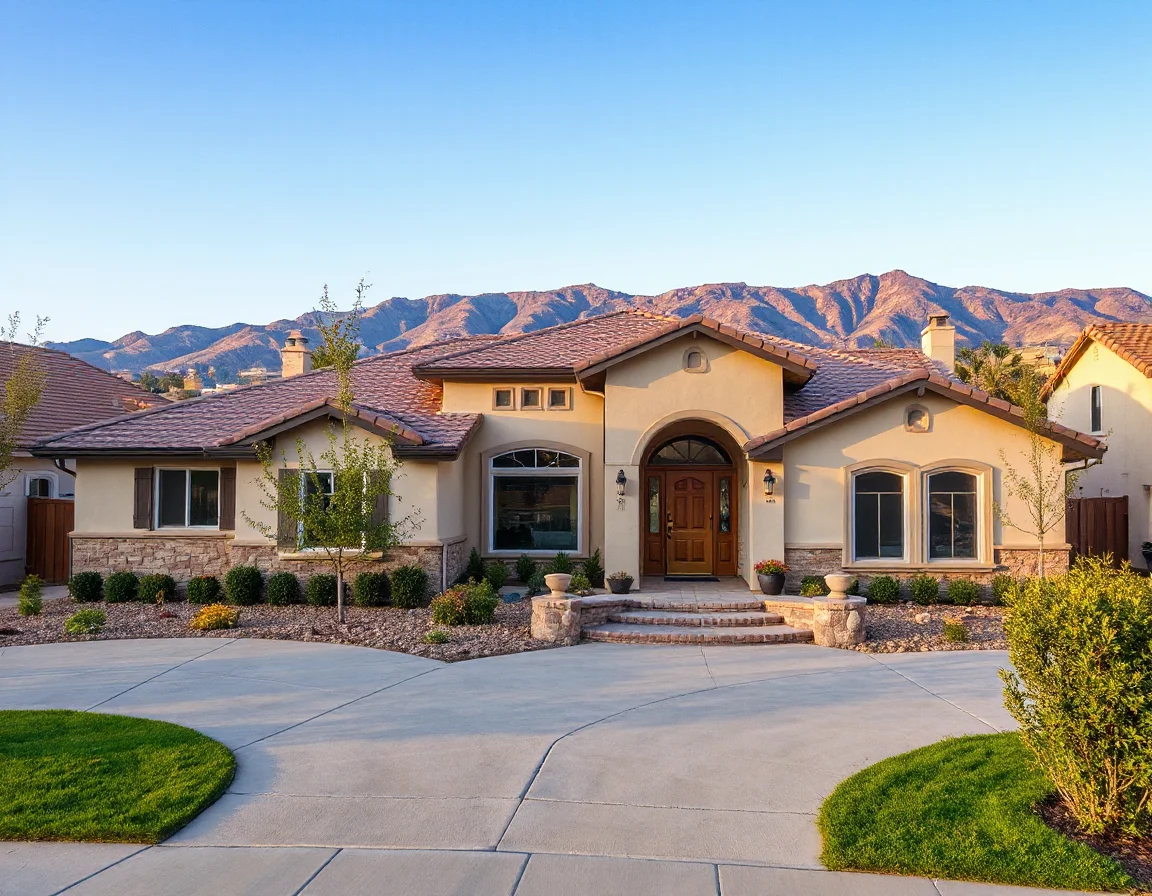
Timing can help, too. A late-afternoon showing may highlight the changing colors on the foothills, while a bright morning appointment can make a rear-facing view easier to evaluate without glare. The goal is accuracy rather than theatrics: prospective buyers should be able to see the condition of the property, the boundaries of the lot, and the actual extent of the view in normal daylight.
A seller should also prepare for the questions that accompany a higher perceived value. Be ready to discuss roof age, exterior upkeep, irrigation, drainage, slope maintenance, patio improvements, and any homeowner association provisions that affect exterior changes. When the home is presented as a well-maintained property with a distinctive setting, the conversation can stay grounded in facts rather than assumptions.
Pricing should be supported by comparable sales, not by a single scenic photograph. A home with a more substantial view may justify closer review of the top end of its competitive set, but condition and buyer demand still matter. In some cases, the most effective strategy is not to chase an untested number; it is to position the home clearly against nearby alternatives and let the setting reinforce an already credible price.
For sellers, the strongest evidence is a comparison set that shows how similarly maintained homes performed with and without a meaningful mountain or open-space outlook.
A Practical Path for Buyers and Sellers
For buyers relocating to Corona or moving within California, it helps to distinguish between a home that photographs beautifully and one that works well over time. Consider the commute pattern, nearby parks and recreation, access to everyday services, community fees where applicable, and the condition of the home alongside the view. A setting that feels special should be weighed with the same care as the inspection findings, financing terms, and comparable-sale data.
For sellers, thoughtful preparation can make the mountain backdrop part of a complete, credible story. Highlight the view honestly, document improvements, maintain the exterior, and understand the comparable homes that buyers will see in the same search. Blue Pacific Property brings long-term real estate experience and corporate relocation insight to these conversations, helping clients compare details without losing sight of the larger move.
Corona’s mountain views can add a memorable layer to a property, whether they appear beyond a patio, above a roofline, or through the windows of a main living space. The best decisions come from looking closely at that layer—and then comparing everything else that makes a home valuable, functional, and ready for its next chapter.