

Relocating to Irvine is less about finding a familiar street name and more about matching a village’s access, housing style, and daily rhythm to the way you actually move through the week. Start with the commute, then compare parks, trail connections, retail centers, home types, and ownership costs before narrowing your search. A focused plan can make an unfamiliar map feel manageable quickly.
Start With the Week You Actually Live
Irvine is often discussed as one place, but its collection of villages creates many distinct routines. A home search can feel more efficient when it begins with the moments that repeat: the morning drive, grocery stops, time outdoors, appointments, airport trips, and the routes used most often. Rather than choosing solely from listing photos or a broad city map, build a short list around the destinations that shape your calendar.

A practical first step is to map your most frequent destinations and test the routes at realistic times. Irvine’s access to major routes including Interstate 5, Interstate 405, State Route 55, State Route 133, and State Route 261 can make a meaningful difference depending on where work, travel, and regular errands occur. A route that looks close on a map may feel different during peak traffic, so an in-person drive or several timed route checks can add useful context.
It also helps to decide how much daily convenience matters relative to lot size, home age, or proximity to open space. Some buyers prioritize being near a village center for dining, services, and errands; others focus on trail access, a quieter internal street, or a particular architectural style. There is no universal “best” village. The goal is to identify the tradeoffs that are most useful for your own schedule.
Before touring extensively, choose three nonnegotiables and three flexible preferences. That simple list can keep a relocation search centered on daily function instead of being pulled in a new direction by every attractive listing.
For people moving from outside Southern California, it is also worth accounting for the region’s driving patterns. Distances may appear modest, yet freeway traffic, school-area circulation, events, and construction can affect travel times. If remote work is part of the plan, consider where a home office would fit, how natural light changes during the day, and whether the internet and cellular options meet your needs.
Compare Villages by Access, Amenities, and Housing Mix
Each Irvine village offers its own combination of homes, public spaces, streetscapes, and access points. Woodbridge, for example, is known for its lakes, paths, and established setting. Northwood includes a broad mix of housing and convenient access toward central and northern parts of the city. Portola Springs and Eastwood offer newer development patterns in parts of the city, while areas such as University Park, Turtle Rock, and Quail Hill bring different topography, home designs, and route options.
Those broad descriptions are only a starting point. Within the same village, the experience can shift block by block based on nearby arterial roads, trail connections, community facilities, terrain, HOA structure, and the age of surrounding homes. Touring at different times of day can reveal parking patterns, sunlight exposure, traffic flow, and ambient activity that may not be apparent during a single showing.
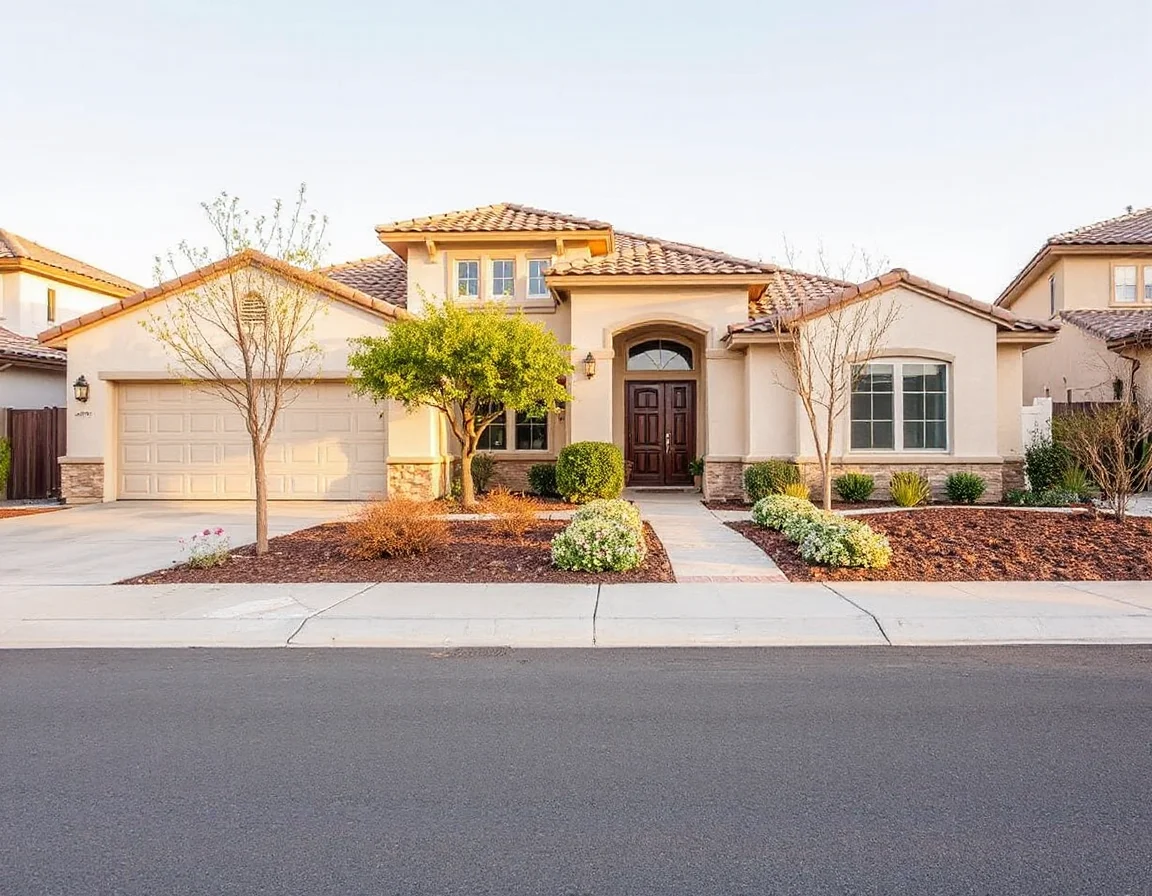
Housing choices can range from condominiums and townhomes to detached residences, with variation in square footage, lot configuration, garage space, renovation level, and association responsibilities. When comparing properties, look beyond the purchase price. Monthly HOA dues, special assessments, insurance needs, property tax estimates, utility costs, and planned maintenance can all affect the total cost of ownership.
For attached homes, ask for the HOA documents early enough to review rules, financial reserves, insurance coverage, rental policies, and recent or upcoming projects. For detached properties, inspect drainage, roof condition, irrigation, exterior materials, and the maintenance expectations created by landscaping and hardscape. A careful due-diligence process is especially valuable when relocating, because it replaces assumptions with documents and direct observation.
Two properties with similar list prices can carry very different monthly costs. Compare HOA dues, insurance, taxes, and expected upkeep together before deciding which home offers the stronger overall fit.
School information is another topic that deserves a fact-based approach. Public school attendance boundaries, enrollment procedures, and program availability can change, so confirm current details directly with the relevant district or school before making a decision. The same principle applies to transit schedules, planned infrastructure, and community amenity access: verify the current information rather than relying on an older listing description.
Build a Relocation Tour That Produces Better Decisions
A productive Irvine tour is not simply a long day of showings. It is a structured comparison. Begin with a small number of village areas that align with your commute and budget, then view homes in several property types. Seeing a condominium, townhome, and detached home in person can clarify which tradeoffs matter most, particularly when you are comparing outdoor space, interior layout, parking, and maintenance responsibilities.
Leave time between appointments to drive through the surrounding streets, stop at a nearby park or trailhead, and visit the places you expect to use regularly. Observe the practical details: Are there convenient routes to the freeway? Does the home face afternoon sun? How close are everyday services? Is there enough storage, workspace, or guest flexibility for the way you intend to use the property? These questions are more revealing than a quick pass through a staged interior.
For buyers coordinating a corporate move, lease end, or sale of an out-of-area home, timing becomes part of the strategy. Loan approval, inspection periods, appraisal requirements, document review, moving logistics, and possession dates all need room in the calendar. Ric Filia and Blue Pacific Property bring long-term real estate experience and corporate relocation knowledge to help clients organize those moving parts with clear next steps.
Try to distinguish between items that can be changed and items that cannot. Paint colors, fixtures, and landscaping can often be updated; location within the city, route access, floor plan constraints, and association rules are more enduring. A home that needs cosmetic work may be a better match than a polished property that creates an inconvenient daily routine.
Use Local Guidance Without Losing Your Priorities
Relocation is easier when the process has both local context and a clear personal framework. A knowledgeable real estate professional can help compare active inventory, explain common contract timelines, coordinate virtual tours, and flag questions to investigate before an offer is written. At the same time, the strongest decisions come from keeping your own priorities visible throughout the search.
Irvine offers a wide range of settings within one city, from established neighborhoods around lakes and community paths to newer streets near preserved open-space areas and major employment centers. By focusing on commute patterns, ownership costs, home type, and the routines you want to support, you can evaluate those choices with more confidence. The right village is not defined by a label; it is the one that makes the practical parts of everyday life work well.