
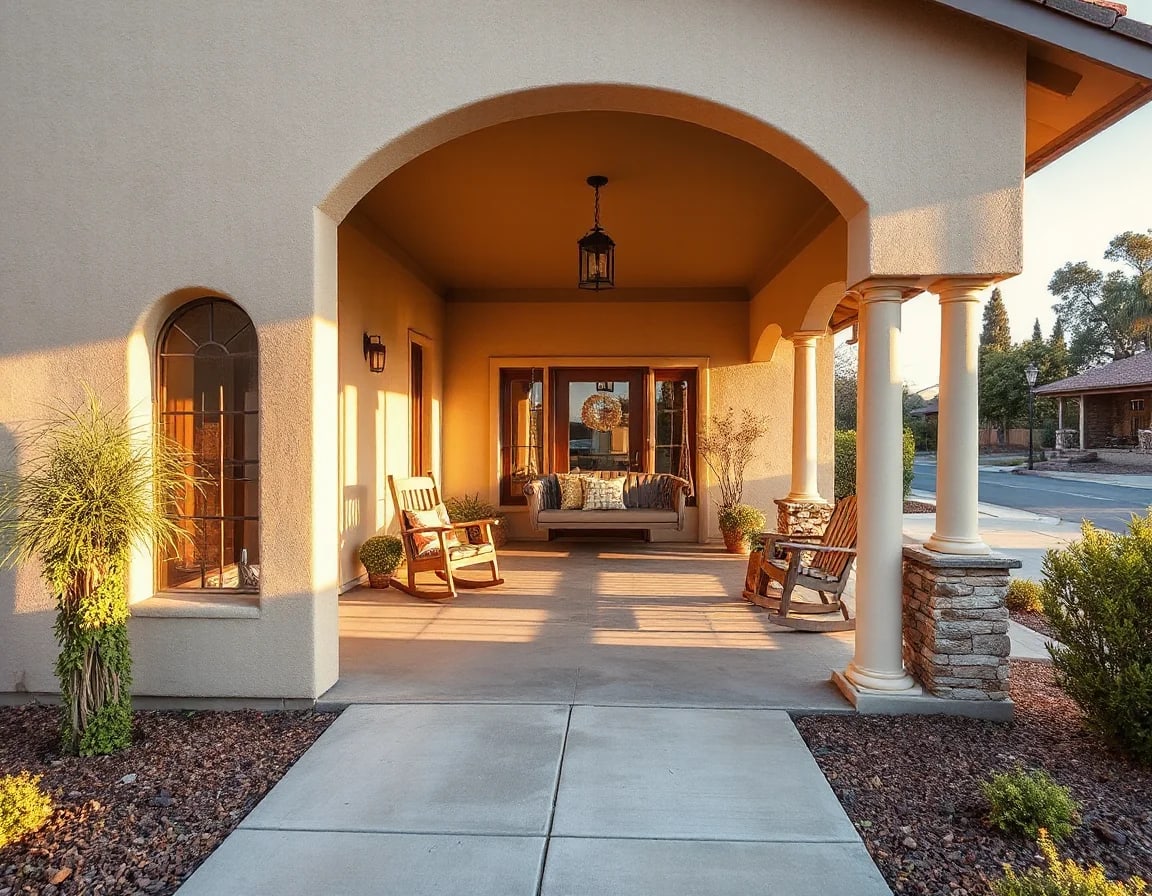
A memorable first impression does not require a full renovation. In Temescal Valley, a focused set of updates can help a home feel well cared for from the driveway to the main living spaces, while making listing photos and showings more compelling. Start with the improvements buyers can immediately see, understand, and appreciate.
Start With the Arrival Experience
When someone pulls up to a property, the first few seconds set the tone for everything that follows. A tidy exterior, a defined entry, and a home that looks maintained can create confidence before a visitor reaches the front door. In Temescal Valley, where many properties feature generous lots, foothill views, patios, or larger driveways, the approach to the house is an especially important part of the overall presentation.
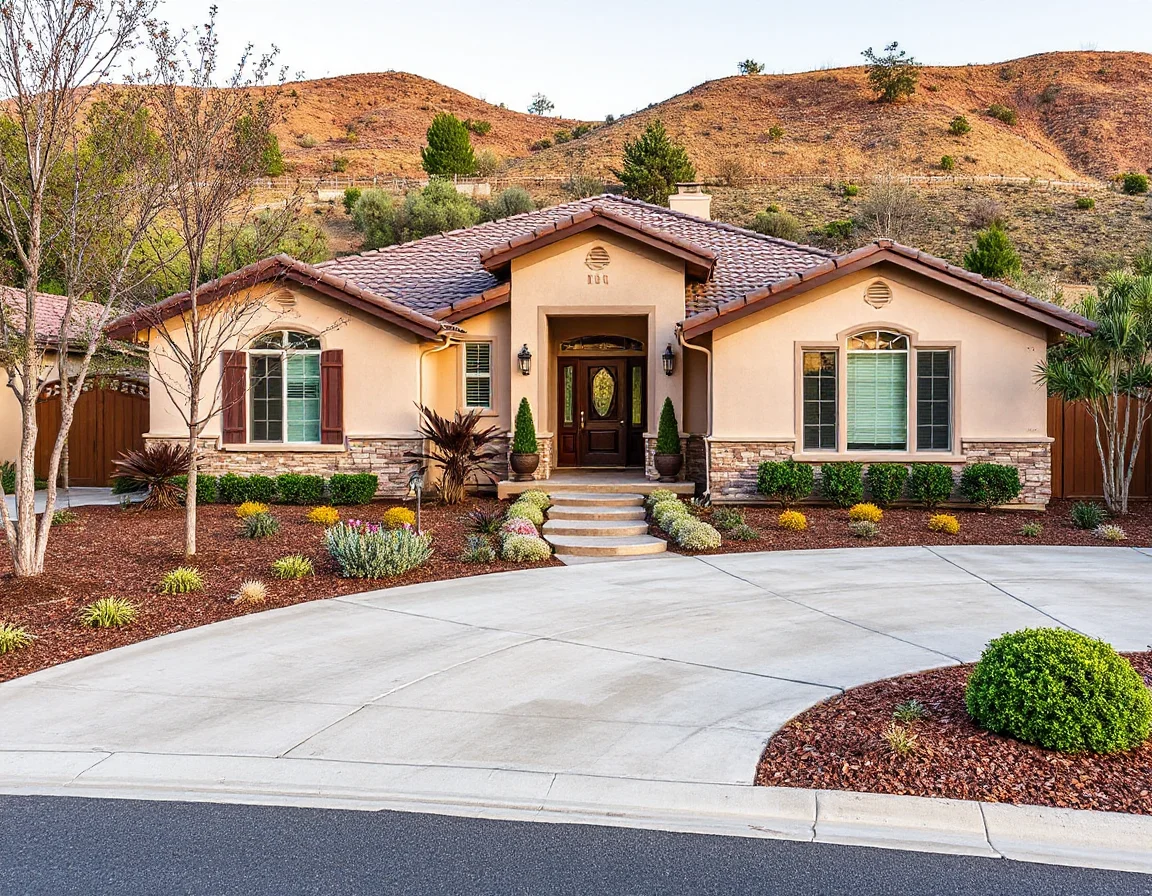
Upgrade one: refresh the front entry. This can be as practical as repainting or refinishing the front door, replacing worn hardware, updating an exterior light fixture, and adding a clean doormat. Choose finishes that work with the home’s existing architecture rather than trying to chase a short-lived trend. A charcoal door can add contrast to a lighter stucco exterior, while a natural wood tone may complement warm stone, tile, or earth-toned landscaping.
Upgrade two: simplify the landscape plan. The goal is not to create a high-maintenance garden overnight. Trim overgrown shrubs, remove visibly dry plant material, edge walkways, refresh mulch or decorative rock, and make sure irrigation components are not distracting from the street. Drought-tolerant plantings, neat gravel borders, and a clearly visible path to the entry can make an outdoor space feel intentional while respecting Southern California’s climate.
A freshly painted front door, functioning exterior lighting, and clean landscaping often deliver more visual impact per dollar than a larger project that is hidden inside the home.
Pay attention to the details that photos reveal: faded house numbers, cracked pots, a stained garage door, loose gate hardware, or an exterior hose left in plain sight. These items may seem minor, but together they can make an otherwise attractive property feel less prepared. Before photography or showings, walk from the curb to the front door with a visitor’s perspective and note anything that interrupts the experience.
Use Paint, Lighting, and Storage to Create Clarity
Interior updates are most effective when they make rooms easier to understand. Buyers are not simply looking at square footage; they are trying to picture how a space functions from day to day. Clear surfaces, consistent finishes, and good lighting can help them notice room proportions, windows, flooring, and the connection between living areas.
Upgrade three: use paint strategically. Fresh paint is one of the most reliable ways to make a home feel current, especially when walls show scuffs, patchwork, or strong color changes between rooms. Soft neutrals are often a useful choice because they allow architectural features and furnishings to stand out. That does not mean every room must look identical. A restrained accent wall, updated trim color, or a refreshed interior door can add dimension without making the home feel visually busy.
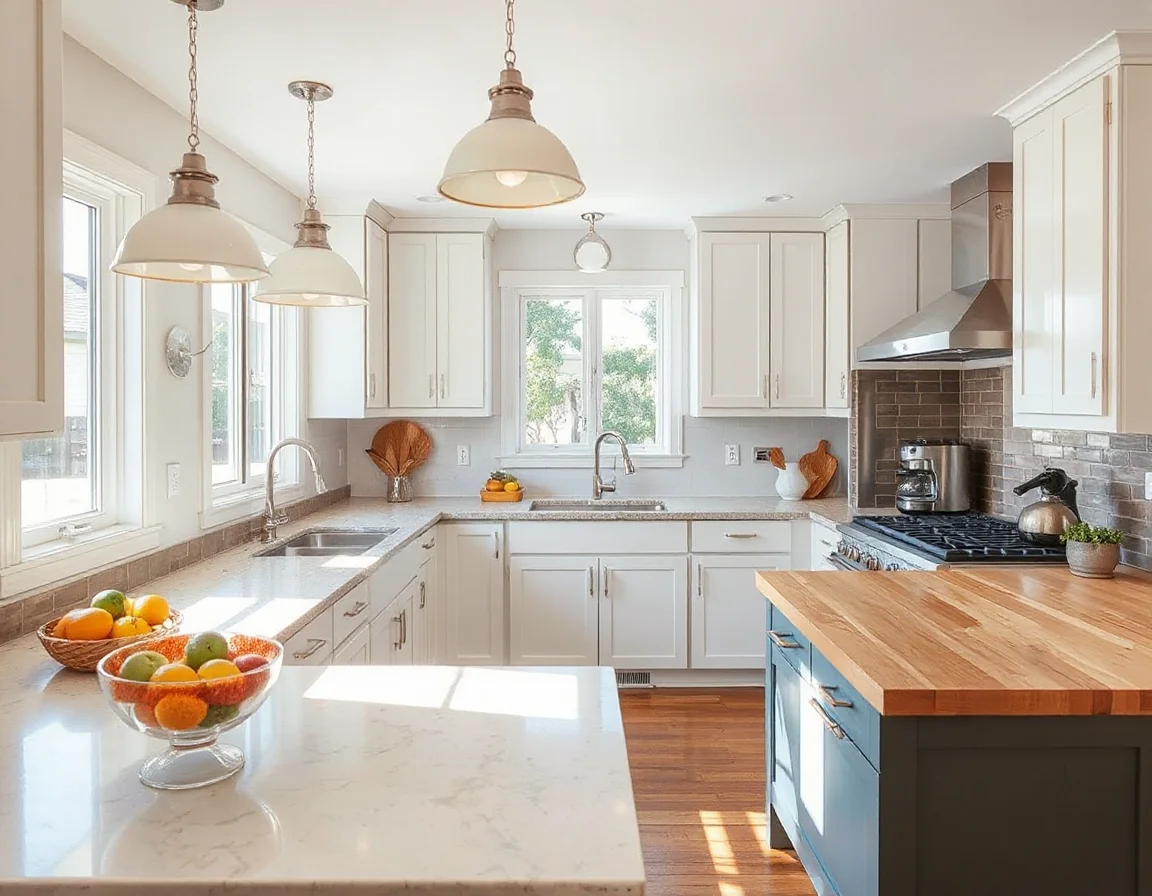
Upgrade four: improve lighting where people pause. Entryways, kitchens, dining areas, bathrooms, and hallways all benefit from fixtures that are clean, functional, and proportional to the space. Replace dated bulbs with consistent warm-white lighting, repair fixtures that flicker, and open blinds or curtains before photos and showings. Natural light is a feature worth highlighting, particularly in rooms that look out toward a patio, yard, or surrounding hills.
Storage also deserves attention. A crowded closet or overloaded pantry can make even a well-sized home feel less functional. Remove excess items, group similar belongings, and leave visible breathing room on shelves. In kitchens, clear counters of small appliances and paperwork; in bathrooms, limit visible personal products; in living areas, reduce bulky furniture that blocks pathways or windows. These are not cosmetic tricks—they help visitors see the usable space that is already there.
Before listing photos, aim to show the purpose of every room in one glance: a place to cook, gather, work, rest, or enjoy the outdoors without visual clutter competing for attention.
For homeowners considering a sale, it can help to prioritize repairs alongside visual updates. Leaky faucets, damaged screens, sticking doors, missing outlet covers, and unfinished caulk lines are small maintenance tasks that can draw attention away from more meaningful features. Completing them early also prevents a rushed to-do list once the property is active on the market.
Make the Kitchen and Outdoor Areas Feel Ready to Use
Kitchens and outdoor spaces often shape how a property is remembered after a showing. They do not always require a complete remodel to make an impact. The strongest updates are usually the ones that make these spaces feel clean, cohesive, and ready for everyday use.
Upgrade five: give the kitchen a focused refresh. Start by evaluating what is most visible: cabinet fronts, pulls, countertops, backsplash, faucet, sink, and lighting. If cabinetry is structurally sound but tired, professional painting or refinishing can make a major difference. New hardware in a single coordinating finish can add polish, while a modern faucet and clear counters can help the room feel more open. If replacing appliances is part of the plan, matching finishes and proper installation matter more than choosing the most elaborate option available.
Outside, define the usable areas rather than filling every corner with furniture or décor. Sweep patios, clean outdoor cushions, trim trees away from rooflines, and arrange seating to show the scale of the space. For properties with larger yards, a simple visual sequence can be effective: a clear path, a maintained lawn or landscape zone, and a patio or shaded area that reads as an extension of the home. Make sure gates, fencing, drainage areas, and exterior outlets are in good working order as well.
Temescal Valley’s setting can also be a selling feature when it is presented thoughtfully. Keep view corridors open where possible, remove visual clutter from patios and balconies, and schedule photography when exterior light is flattering rather than harsh. The objective is not to over-style the property; it is to let the home’s setting, lot, and architectural details come through clearly.
Choose Projects With a Practical Return
Not every improvement needs to happen before a move. The best pre-sale plan balances condition, budget, timeline, and the expectations for comparable homes nearby. A home with strong bones may benefit most from paint, cleaning, landscaping, and repairs. Another property may need a more meaningful kitchen, flooring, or bath update because those finishes are the clearest obstacle to a confident first impression.
Before committing to major work, create a short list of visible issues, deferred maintenance items, and upgrades that would improve photos or showings. Then rank them by impact and complexity. A local real estate perspective can be valuable here, especially for owners relocating within California or preparing a property from a distance. Ric Filia and Blue Pacific Property can help homeowners think through presentation choices in the context of their timing and goals.
Thoughtful improvements do not need to erase a home’s personality. They should make the property easier to experience, easier to photograph, and easier for a prospective buyer to appreciate. A polished entry, a brighter interior, a refreshed kitchen, and a maintained outdoor area can turn a good first look into a lasting one.